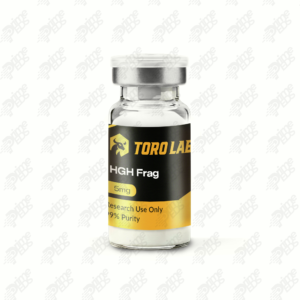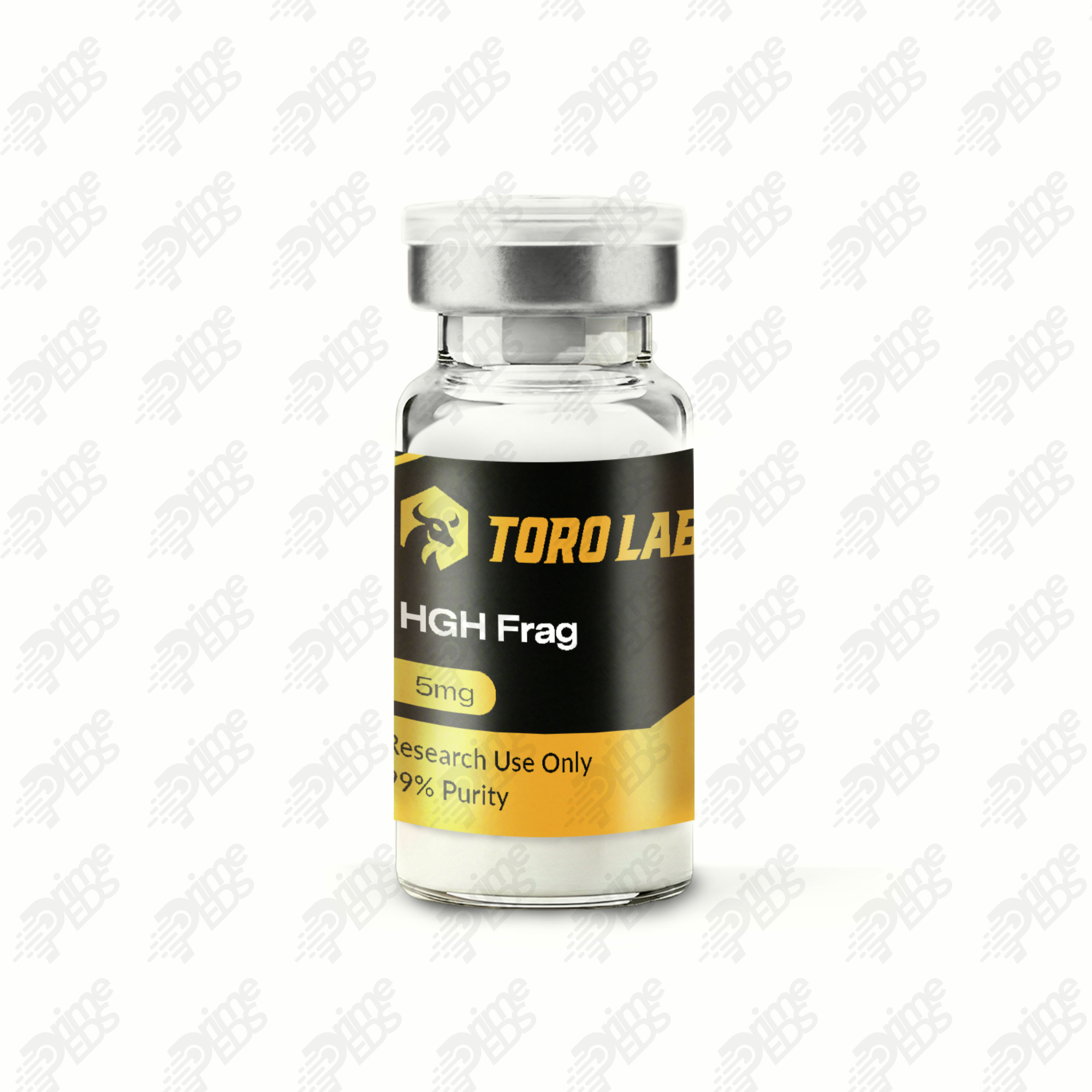
Buy HGH Fragment 176-191 5mg in the UK – Advanced Fat Metabolism Research Peptide
Overview of HGH Fragment 176-191 5mg
HGH Fragment 176-191 5mg is a synthetic peptide derived from the C‑terminal region of human growth hormone. This modified fragment corresponds to amino acids 176 through 191 of the full human growth hormone molecule. Scientists have developed this peptide specifically to study pathways involved in lipolysis, fat metabolism, and energy regulation.
Unlike full human growth hormone, HGH Fragment 176‑191 is designed to isolate the specific section of the hormone believed to influence fat‑metabolizing activity without activating many of the broader growth hormone pathways. Because of this targeted design, it has become an important compound in modern metabolic and obesity‑related research.
Research laboratories often use HGH Fragment 176‑191 to investigate how certain peptide signals influence adipose tissue metabolism, hormone signalling, and energy balance.
What Is HGH Fragment 176-191 5mg?
HGH Fragment 176-191 5mg is a synthetic peptide analogue created by isolating a specific segment of the human growth hormone sequence. The fragment contains 16 amino acids representing the region of the growth hormone molecule associated with fat metabolism.
By focusing on this specific section, researchers can study the biological processes linked to fat breakdown and metabolic regulation without the full range of effects seen with complete growth hormone molecules.
This targeted design makes HGH Fragment 176-191 5mg particularly interesting for scientists studying:
-
Metabolic signalling pathways
-
Fat oxidation mechanisms
-
Hormonal regulation of adipose tissue
-
Energy balance in biological systems
In laboratory environments, the peptide is typically supplied as a lyophilized powder in a 5mg vial, allowing precise experimental preparation.
Mechanism of Action in Research
The HGH Fragment 176-191 5mg peptide is believed to interact with metabolic pathways associated with lipolysis, the process through which the body breaks down stored fat.
In experimental models, the fragment has been observed to:
-
Stimulate the breakdown of triglycerides stored in adipose tissue
-
Influence pathways linked to fat oxidation
-
Affect metabolic signalling involved in energy expenditure
Because the fragment focuses on a specific portion of the growth hormone sequence, researchers can isolate the metabolic effects linked to this region without triggering the full spectrum of growth hormone activity.
This targeted mechanism has made the peptide a valuable tool for scientists studying metabolic biology and endocrine signalling.
Key Characteristics of HGH Fragment 176-191 5mg
Research‑grade HGH Fragment peptides typically share several common specifications:
-
Peptide length: 16 amino acids
-
Derived from: C‑terminal region of human growth hormone
-
Format: lyophilized powder
-
Typical purity: ≥98% verified through laboratory analysis
-
Vial size: commonly supplied as 5mg
High‑purity peptides are essential in laboratory research because they ensure experimental reliability and reproducibility.
Areas of Scientific Research
HGH Fragment 176‑191 is widely studied in several scientific fields related to metabolism and endocrine biology.
Fat Metabolism Research
Researchers explore how the peptide affects lipolysis and fat‑oxidation pathways in controlled laboratory models.
Obesity and Metabolic Studies
Scientists investigate the peptide’s potential role in regulating energy balance and fat storage mechanisms.
Endocrine System Research
The compound allows researchers to study how growth‑hormone‑related signals influence metabolic activity in specific tissues.
Peptide Signalling Studies
HGH Fragment 176‑191 is also useful in experiments examining how peptide fragments interact with cellular signalling pathways.
These areas contribute to a deeper understanding of how metabolic systems operate in biological organisms.
Handling and Storage in Research Environments
Peptides such as HGH Fragment 176‑191 require careful handling to maintain stability during laboratory use.
Typical research storage guidelines include:
-
Storing the lyophilized peptide at −20°C before reconstitution
-
Using sterile bacteriostatic water during preparation
-
Keeping reconstituted solutions refrigerated between 2–8°C
-
Avoiding repeated freeze‑thaw cycles
These procedures help maintain the structural integrity of the peptide throughout experimental protocols.
Regulatory and Safety Information
HGH Fragment 176‑191 is generally considered a research‑grade peptide rather than an approved medicine for consumer use. Because of this, suppliers typically specify that the compound is:
-
Intended strictly for laboratory research
-
Not approved for human consumption
-
Not a dietary supplement or medication
These guidelines help ensure compliance with research chemical regulations and maintain the scientific integrity of laboratory investigations.
Why HGH Fragment 176‑191 Is Important in Peptide Research
Understanding the biological mechanisms that regulate fat metabolism is an important area of metabolic science. HGH Fragment 176‑191 provides researchers with a targeted tool to explore the specific region of growth hormone associated with lipid metabolism.
By isolating this fragment, scientists can study:
-
Fat‑breakdown pathways
-
Hormonal regulation of adipose tissue
-
Metabolic energy systems
-
Peptide signalling interactions
These insights may help expand scientific knowledge about metabolic regulation and endocrine biology.
Summary
HGH Fragment 176‑191 5mg is a synthetic peptide derived from a specific region of human growth hormone associated with fat metabolism signalling. Because it isolates the metabolic activity of the hormone without triggering broader growth‑related pathways, it has become a valuable compound in modern metabolic research.
Researchers commonly study HGH Fragment 176‑191 for:
-
Lipolysis and fat‑oxidation research
-
Metabolic pathway analysis
-
Endocrine signalling studies
-
Peptide‑fragment biological activity
Due to regulatory considerations, the compound is typically supplied for laboratory and scientific research purposes only.