Buy HMG 150IU in the UK – Powerful and Trusted Fertility Hormone Therapy Guide
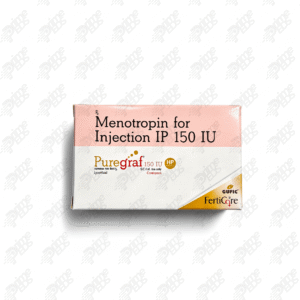
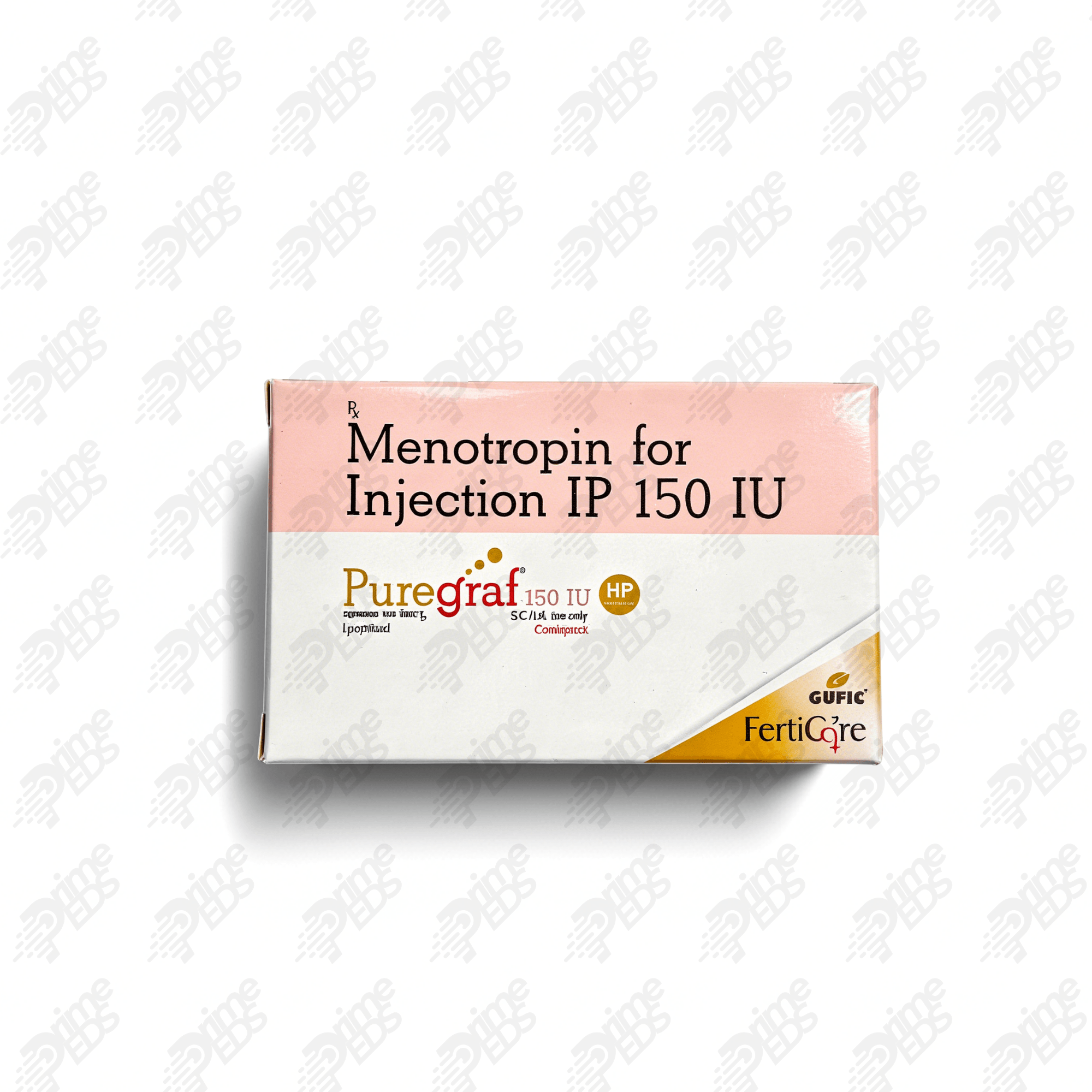
Human Menopausal Gonadotropin (HMG) 150IU is a fertility hormone medication commonly used in reproductive medicine. It contains a combination of two essential hormones involved in reproductive function: follicle‑stimulating hormone (FSH) and luteinizing hormone (LH). These hormones play a key role in regulating the reproductive system in both men and women.
HMG medications are widely used in fertility clinics and assisted reproductive technology programs to support ovulation and sperm production. The 150IU strength refers to the standardized measurement of hormonal activity contained within each vial or dose.
Because reproductive hormones influence sensitive biological systems, HMG therapy is typically prescribed and monitored by qualified healthcare professionals.
What HMG 150IU Is
HMG stands for human menopausal gonadotropin, a medication derived from purified hormones that mimic the natural hormones produced by the pituitary gland. These hormones are essential for regulating reproductive processes.
The 150IU formulation represents a specific potency used in fertility treatments. International units (IU) measure the biological activity of hormone preparations, ensuring consistent dosing during medical therapy.
HMG has been used for decades in reproductive medicine and remains a cornerstone treatment in assisted fertility programs.
How HMG 150IU Works
HMG works by supplying the body with hormones that stimulate the reproductive organs.
The medication contains two key components:
-
FSH (Follicle‑Stimulating Hormone) – stimulates the development of ovarian follicles in women and supports sperm production in men.
-
LH (Luteinizing Hormone) – triggers ovulation in women and supports testosterone production in men.
By providing these hormones externally, HMG therapy helps regulate reproductive processes when the body’s natural hormone levels are insufficient.
Medical Uses of HMG 150IU
HMG 150IU is commonly used in fertility treatment programs under medical supervision.
Typical clinical uses include:
Female Fertility Support
In women experiencing ovulation disorders, HMG may help stimulate the ovaries to produce mature eggs. It is frequently used in assisted reproductive technologies such as in vitro fertilization (IVF).
Male Fertility Treatment
HMG may also be used to support sperm production in men with certain hormonal fertility conditions. By stimulating the testes, the medication may help improve sperm development when natural hormone levels are inadequate.
Assisted Reproductive Technology
Fertility specialists often incorporate HMG into controlled ovarian stimulation protocols used in IVF and other advanced reproductive procedures.
Administration and Treatment Protocols
HMG is typically administered through subcutaneous or intramuscular injection. The treatment schedule varies depending on the fertility protocol designed by the healthcare provider.
Because hormone levels must be carefully controlled during fertility treatment, doctors usually monitor patients closely through:
-
Hormone blood tests
-
Ultrasound examinations
-
Clinical assessments
This monitoring allows physicians to adjust dosages and ensure optimal results during the treatment cycle.
Possible Side Effects
Like many hormone medications, HMG therapy may cause side effects in some individuals. These effects can vary depending on the patient’s health status and treatment protocol.
Possible side effects may include:
-
Injection site discomfort
-
Mild abdominal bloating
-
Headaches
-
Mood changes
-
Hormonal fluctuations
In rare cases, women undergoing fertility treatment may develop ovarian hyperstimulation syndrome (OHSS), a condition that requires medical monitoring.
Because of these potential effects, HMG treatment should always be conducted under medical supervision.
Importance of Medical Supervision
Fertility hormones directly influence the reproductive system and endocrine balance. For this reason, HMG therapy must be managed by trained medical professionals who specialize in reproductive medicine.
Doctors carefully evaluate several factors before recommending treatment, including:
-
Hormone levels
-
Reproductive health history
-
Age and fertility goals
-
Overall health condition
Regular monitoring ensures that hormone levels remain within a safe range while maximizing the effectiveness of treatment.
Supporting Reproductive Health
In addition to medical therapy, certain lifestyle factors may support reproductive health and fertility.
These include:
-
Maintaining a balanced diet rich in nutrients
-
Regular physical activity
-
Managing stress levels
-
Avoiding smoking and excessive alcohol consumption
-
Maintaining a healthy body weight
While lifestyle changes alone may not resolve fertility issues, they can complement professional medical treatment.
Summary
Human Menopausal Gonadotropin (HMG) 150IU is a fertility hormone medication widely used in reproductive medicine. By supplying follicle‑stimulating hormone and luteinizing hormone, it helps stimulate the reproductive organs and support fertility treatments.
The 150IU formulation provides a standardized level of hormonal activity used in controlled fertility protocols. Because fertility hormones affect delicate endocrine systems, treatment with HMG should always be guided by experienced healthcare professionals.
Advances in reproductive medicine continue to refine the use of medications like HMG, helping many individuals and couples pursue their fertility goals with medically supervised care.