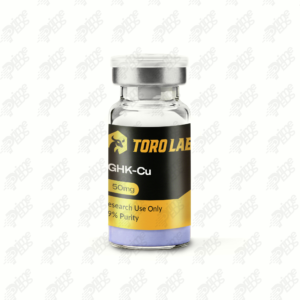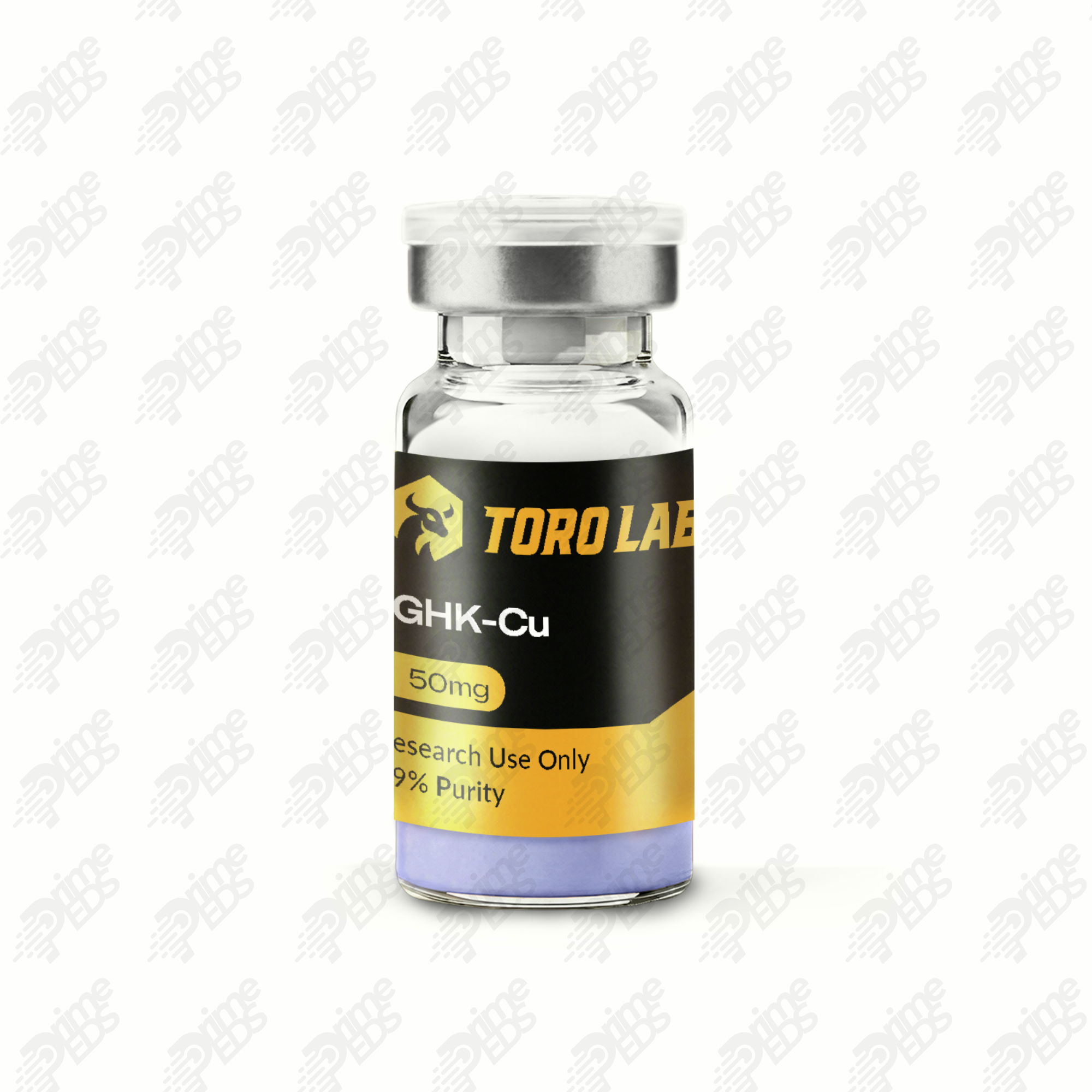
Buy GHK-Cu 50mg in the UK – Powerful Premium Copper Peptide for Advanced Research
GHK-Cu 50mg, also known as copper tripeptide‑1, is a naturally occurring peptide complex that has gained significant attention in scientific and cosmetic research. This compound combines a small peptide sequence with copper ions, forming a powerful complex studied for its role in skin regeneration, tissue repair, and cellular signaling.
Researchers exploring peptide science often focus on GHK-Cu 50mg because of its potential to influence biological processes related to skin health, wound healing, and collagen production. As a result, interest in GHK-Cu 50mg has grown within the scientific community and among laboratories conducting advanced peptide research.
This peptide is widely recognized as a powerful and trusted compound in research environments where scientists study cellular regeneration and biochemical signaling pathways.
What is GHK-Cu 50mg?
GHK‑Cu is a naturally occurring copper peptide first identified in human plasma. It consists of three amino acids—glycine, histidine, and lysine—bound to a copper ion. This structure allows the peptide to interact with biological systems in ways that influence tissue remodeling and cellular communication.
Because of its small molecular size, GHK‑Cu can easily interact with biological tissues, making it particularly interesting for studies involving skin repair, inflammation regulation, and extracellular matrix remodeling.
Laboratory research suggests that GHK‑Cu may influence processes such as:
-
Collagen and elastin synthesis
-
Tissue regeneration pathways
-
Antioxidant responses
-
Cellular signaling related to repair mechanisms
These properties have made GHK‑Cu one of the most widely researched peptides in dermatological and regenerative studies.
Mechanism of Action
The biological activity of GHK-Cu 50mg is largely linked to its ability to bind copper ions and transport them within biological systems. Copper is an essential trace element involved in numerous enzymatic reactions, particularly those related to tissue repair and antioxidant defense.
When bound to the peptide structure, copper becomes more biologically active and can participate in important biochemical pathways. Research suggests that GHK‑Cu may help regulate gene expression associated with tissue regeneration and cellular repair.
Scientists studying this peptide often focus on its potential ability to:
-
Support collagen production
-
Promote tissue regeneration processes
-
Regulate inflammation pathways
-
Assist in cellular signaling during repair mechanisms
Because of these actions, GHK‑Cu is considered a powerful research peptide for studying biological repair systems.
Areas of Scientific Research
Researchers have explored GHK‑Cu in several areas of laboratory and cosmetic science. Some of the most common research fields include:
Skin Regeneration Research
Studies often examine how copper peptides influence collagen synthesis and skin elasticity. This research focuses on understanding the peptide’s potential role in tissue renewal.
Wound Healing Studies
GHK‑Cu has been investigated for its possible role in supporting the natural healing process by influencing cellular communication and tissue remodeling.
Anti‑Aging Research
Scientists are also interested in how the peptide may affect age‑related changes in skin structure, particularly through its impact on collagen and elastin production.
Hair Growth Research
In some experimental settings, researchers study the potential relationship between copper peptides and hair follicle activity.
These diverse research areas demonstrate why GHK‑Cu remains a trusted compound in peptide science.
Handling and Storage in Research Settings
Proper handling is important for maintaining the stability and purity of peptide compounds. Laboratories typically follow strict guidelines when working with peptides like GHK‑Cu.
Recommended practices include:
-
Storing the peptide in a cool, dry environment
-
Protecting it from excessive light exposure
-
Using sterile equipment during reconstitution
-
Maintaining controlled laboratory conditions
Following these procedures ensures the peptide retains its integrity for reliable research outcomes.
Why Researchers Study GHK‑Cu
Peptides play an essential role in modern biomedical research because they can influence highly specific biological pathways. GHK‑Cu stands out due to its unique combination of a peptide sequence and a copper ion, which allows it to interact with multiple biochemical systems.
Researchers value GHK‑Cu for several reasons:
-
Its naturally occurring structure
-
Its role in cellular communication
-
Its potential influence on regenerative pathways
-
Its relevance to dermatological research
These characteristics have helped establish GHK‑Cu as a premium compound for peptide research.
Research Safety Considerations
GHK‑Cu is intended strictly for laboratory and research applications. It should only be handled by trained professionals working within controlled environments.
Standard research safety practices include:
-
Wearing appropriate protective equipment
-
Following institutional laboratory protocols
-
Avoiding use outside approved research settings
-
Proper disposal of laboratory materials
Maintaining strict safety guidelines helps ensure responsible handling of peptide compounds.
The Future of Copper Peptide Research
Peptide science continues to expand rapidly as researchers discover new compounds that influence biological systems in unique ways. Copper peptides such as GHK‑Cu are of particular interest because they combine trace minerals with peptide structures capable of affecting gene expression and cellular communication.
Future research may provide deeper insights into how peptides like GHK‑Cu interact with regenerative processes, oxidative stress pathways, and tissue repair systems.
As peptide research advances, GHK‑Cu remains an important subject of study for scientists exploring innovative approaches to regenerative biology and dermatological science.
Summary
GHK-Cu 50mg is a powerful and premium copper peptide widely studied for its potential role in tissue repair, collagen production, and cellular signaling. Its unique structure, combining a tripeptide with copper ions, allows it to participate in complex biological processes related to regeneration and repair.
Because of these properties, GHK-Cu 50mg continues to attract interest in laboratories conducting research on skin health, wound healing, and peptide‑based regenerative science.