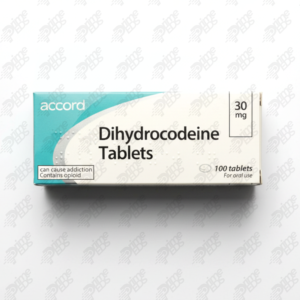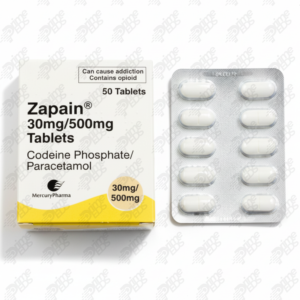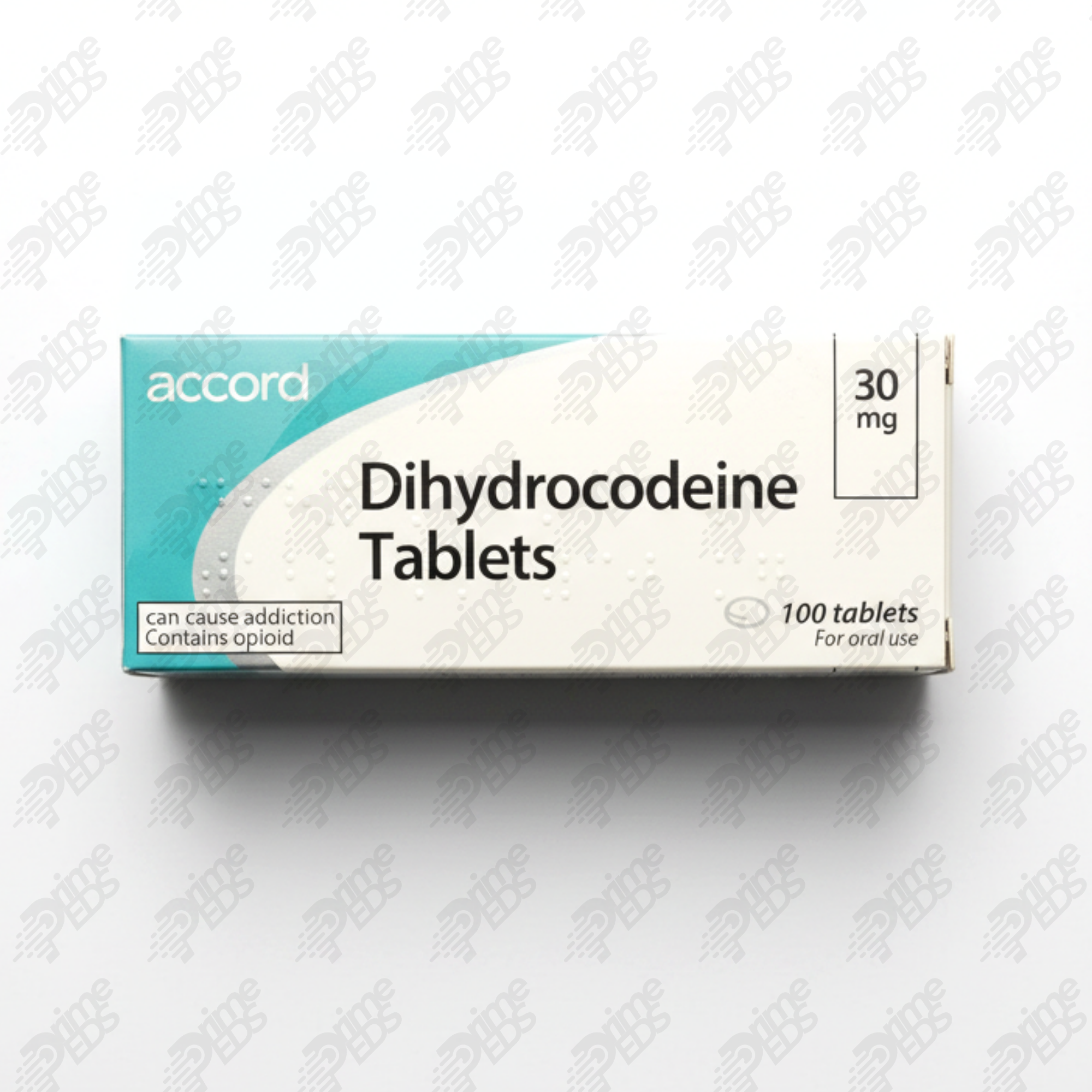
Buy Dihydrocodeine 300mg in the UK – Powerful and Trusted Pain Relief Medication Guide
Dihydrocodeine 300mg is an opioid pain relief medication used in medical settings for the management of moderate to severe pain. It belongs to a class of medicines known as opioid analgesics, which work by reducing the way the brain and nervous system respond to pain signals. Healthcare professionals may prescribe this medication when milder pain relievers are not effective enough to control discomfort.
Pain management is an important part of medical treatment for many conditions. Whether the pain is caused by injury, surgery, or certain chronic health conditions, appropriate treatment can help improve comfort and quality of life. Dihydrocodeine has been used for many years in clinical practice and is recognized for its ability to provide effective pain relief when prescribed and monitored by a healthcare professional.
The 300mg reference generally refers to the total dosage within a treatment plan or the cumulative amount of medication provided across multiple tablets or controlled-release dosing formats.
What Dihydrocodeine 300mg Is
Dihydrocodeine 300mg is a semi-synthetic opioid medication derived from codeine. It was developed to provide stronger pain relief than standard codeine while maintaining a similar mechanism of action. The medication works within the central nervous system to help reduce the perception of pain.
This medication may be available in several pharmaceutical forms depending on medical requirements. These forms can include:
-
Immediate-release tablets
-
Modified-release tablets designed for longer-lasting effects
-
Oral liquid formulations
-
Injectable forms used in hospital environments
Because opioid medications influence the brain and nervous system, they must always be used carefully and under professional medical supervision.
How Dihydrocodeine 300mg Works
Dihydrocodeine works by binding to opioid receptors located in the brain and spinal cord. These receptors are responsible for regulating how the body perceives pain signals. When the medication activates these receptors, it reduces the intensity of pain signals reaching the brain.
As a result, individuals may experience relief from pain and improved comfort. The medication also produces mild sedative effects, which can help patients relax during recovery from illness or injury.
The effects of dihydrocodeine typically begin within about 30 to 60 minutes after oral administration, depending on the formulation used. Modified-release versions may provide longer pain relief over several hours.
Medical Uses of Dihydrocodeine 300mg
Healthcare providers may prescribe dihydrocodeine to treat several types of pain conditions where stronger pain management is required.
Common medical uses include:
-
Pain following surgery or injury
-
Chronic musculoskeletal pain
-
Severe back pain
-
Pain associated with certain medical conditions
In some treatment plans, dihydrocodeine may be combined with other pain-relieving medications to improve effectiveness.
Dosage and Administration
The correct dosage of dihydrocodeine varies depending on the patient’s condition, pain severity, and medical history. Doctors determine the appropriate dose after evaluating the patient’s symptoms and overall health.
Typical treatment approaches may include lower strength tablets taken several times per day or modified-release formulations designed to provide longer-lasting relief.
Because opioids can affect breathing, alertness, and other bodily functions, patients should always follow the dosage instructions provided by their healthcare professional.
Possible Side Effects
Like many opioid medications, dihydrocodeine may cause side effects in some individuals. These effects can vary depending on dosage and individual sensitivity.
Common side effects may include:
-
Drowsiness or sedation
-
Nausea
-
Constipation
-
Dry mouth
-
Dizziness
In most cases, these effects may become less noticeable as the body adjusts to the medication. However, any unusual or severe symptoms should always be discussed with a healthcare professional.
Safety Considerations
Because dihydrocodeine is an opioid medication, it carries potential risks if not used correctly. Long-term or excessive use may lead to tolerance or dependence. For this reason, doctors usually prescribe the lowest effective dose for the shortest appropriate duration.
Patients are often advised to avoid alcohol or other sedative medications while taking opioid pain relievers unless specifically directed by a healthcare provider.
Regular medical monitoring helps ensure that the medication remains safe and effective for the patient’s condition.
Supporting Pain Management
While medications like dihydrocodeine can provide relief, comprehensive pain management often includes additional approaches that support recovery and long-term health.
These approaches may include:
-
Physical therapy and rehabilitation
-
Gentle exercise programs
-
Stress-management techniques
-
Healthy sleep routines
-
Balanced nutrition
Combining medication with supportive therapies can help individuals manage pain more effectively and improve overall well-being.
Summary
Dihydrocodeine is an opioid analgesic used in medical settings to treat moderate to severe pain when other medications are not sufficient. By interacting with opioid receptors in the brain and nervous system, it reduces the perception of pain and helps improve patient comfort.
The 300mg reference represents a dosage level that may appear in treatment plans depending on the formulation and medical guidance provided by healthcare professionals. Because opioid medications influence several critical body systems, they must always be used under proper medical supervision.
Understanding how dihydrocodeine works, its medical uses, and its potential risks helps ensure responsible and informed use within appropriate healthcare settings. Dihydrocodeine 300mg Dihydrocodeine 300mg Dihydrocodeine 300mg Dihydrocodeine 300mg Dihydrocodeine 300mg