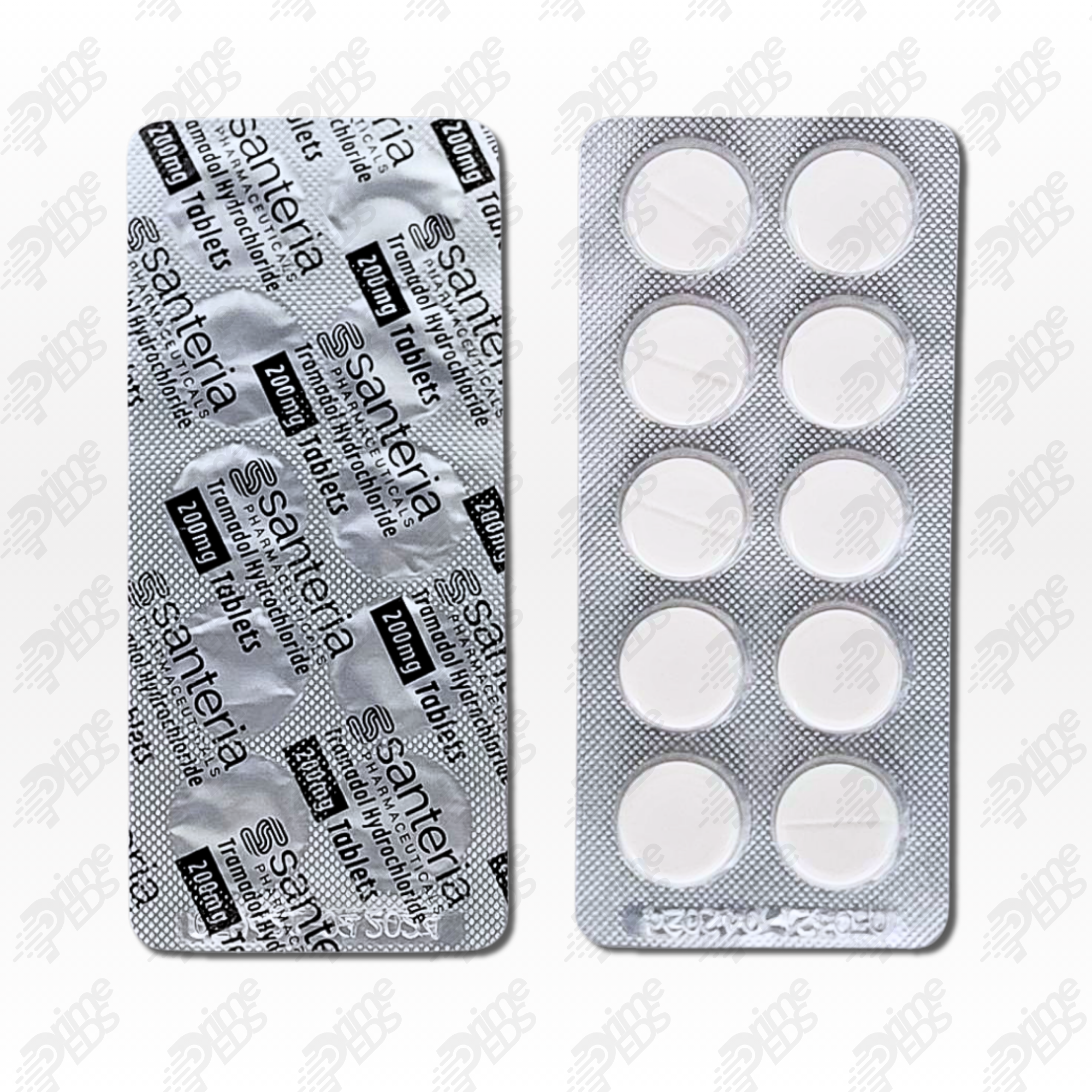
EU Tramadol 200mg – Powerful and Trusted Pain Relief Medication Guide
Tramadol is a prescription medication used to treat moderate to severe pain. It belongs to a group of medicines known as opioid analgesics, which work by affecting the way the brain and nervous system respond to pain signals. Doctors often prescribe tramadol when other pain relievers, such as paracetamol or non‑steroidal anti‑inflammatory drugs (NSAIDs), are not strong enough to manage pain effectively.
Tramadol is available in several forms, including standard tablets, capsules, drops, injections, and extended‑release tablets. Extended‑release strengths can include doses up to 200 mg and higher for long‑term pain management under medical supervision.
Because tramadol affects the central nervous system, it must be used responsibly and only under the guidance of a healthcare professional.
What EU Tramadol 200mg Is Used For
Tramadol is primarily prescribed to relieve moderate to severe pain that may occur after surgery, injury, or chronic medical conditions. It may also be used for long‑term pain conditions when other treatments have not provided sufficient relief.
Doctors may prescribe tramadol for conditions such as:
-
Post‑surgical pain
-
Severe injury or trauma
-
Chronic back pain
-
Nerve‑related pain
-
Pain associated with certain medical conditions
The medication helps reduce pain intensity, allowing patients to carry out daily activities more comfortably.
How Tramadol Works
Tramadol works in two main ways within the body. First, it binds to opioid receptors in the brain and spinal cord, which helps reduce the perception of pain. Second, it affects certain neurotransmitters involved in pain control.
This dual action makes tramadol different from some traditional opioids. While it is generally considered less potent than morphine, it can still provide significant pain relief when used correctly.
Extended‑release tablets slowly release the medication into the body over 12 or 24 hours, allowing for longer‑lasting pain control.
Dosage and Administration
The correct dosage of tramadol depends on several factors, including the patient’s health condition, pain severity, and response to treatment.
Common tramadol forms include:
-
Immediate‑release tablets (often 50 mg)
-
Extended‑release tablets (100 mg, 150 mg, 200 mg or more)
-
Capsules or liquid drops
Extended‑release tablets are usually taken once or twice daily and must be swallowed whole. Crushing or chewing these tablets can release the full dose at once, which may lead to dangerous overdose effects.
Patients should always follow their doctor’s instructions and never exceed the recommended dose.
Possible Side Effects
Like many medications, tramadol may cause side effects. Most side effects are mild and temporary, but some may require medical attention.
Common side effects include:
-
Dizziness
-
Nausea or vomiting
-
Constipation
-
Headache
-
Drowsiness
More serious risks can include seizures, breathing problems, and serotonin syndrome when tramadol is combined with certain medications.
Because tramadol affects the central nervous system, it may also impair concentration and reaction times.
Risks and Safety Considerations
Tramadol is classified as an opioid medication, which means it carries risks of dependence, misuse, and addiction if not used carefully. Patients taking tramadol for extended periods may develop tolerance or withdrawal symptoms if the medication is stopped suddenly.
To reduce these risks, doctors often recommend gradually reducing the dose when discontinuing treatment.
Individuals should speak with a healthcare provider before taking tramadol if they:
-
Have a history of substance dependence
-
Have epilepsy or seizure disorders
-
Take antidepressants or other medications affecting serotonin
-
Have breathing or liver problems
Combining tramadol with alcohol or sedative medications can increase the risk of dangerous side effects.
Responsible Use of Pain Medication
Managing pain safely requires careful evaluation by healthcare professionals. In many cases, treatment plans include a combination of medication, physical therapy, lifestyle changes, and other medical treatments.
Patients should only use tramadol as prescribed and avoid sharing medication with others. Proper storage and disposal are also important to prevent accidental misuse.
Summary
Tramadol 200 mg is a strong prescription medication used to treat moderate to severe pain when other treatments are not sufficient. By acting on the brain and nervous system, it helps reduce the perception of pain and improve comfort for individuals experiencing significant pain.
However, because tramadol is an opioid medication, it must be used responsibly under medical supervision. Understanding the proper dosage, possible side effects, and safety precautions is essential for safe and effective treatment. EU Tramadol 200mg EU Tramadol 200mg EU Tramadol 200mg EU Tramadol 200mg EU Tramadol 200mg EU Tramadol 200mg EU Tramadol 200mg EU Tramadol 200mgEU Tramadol 200mg EU Tramadol 200mg EU Tramadol 200mg EU Tramadol 200mg